How to Improve Your Credit Score Before Buying a Home
By Edelio Sanchez
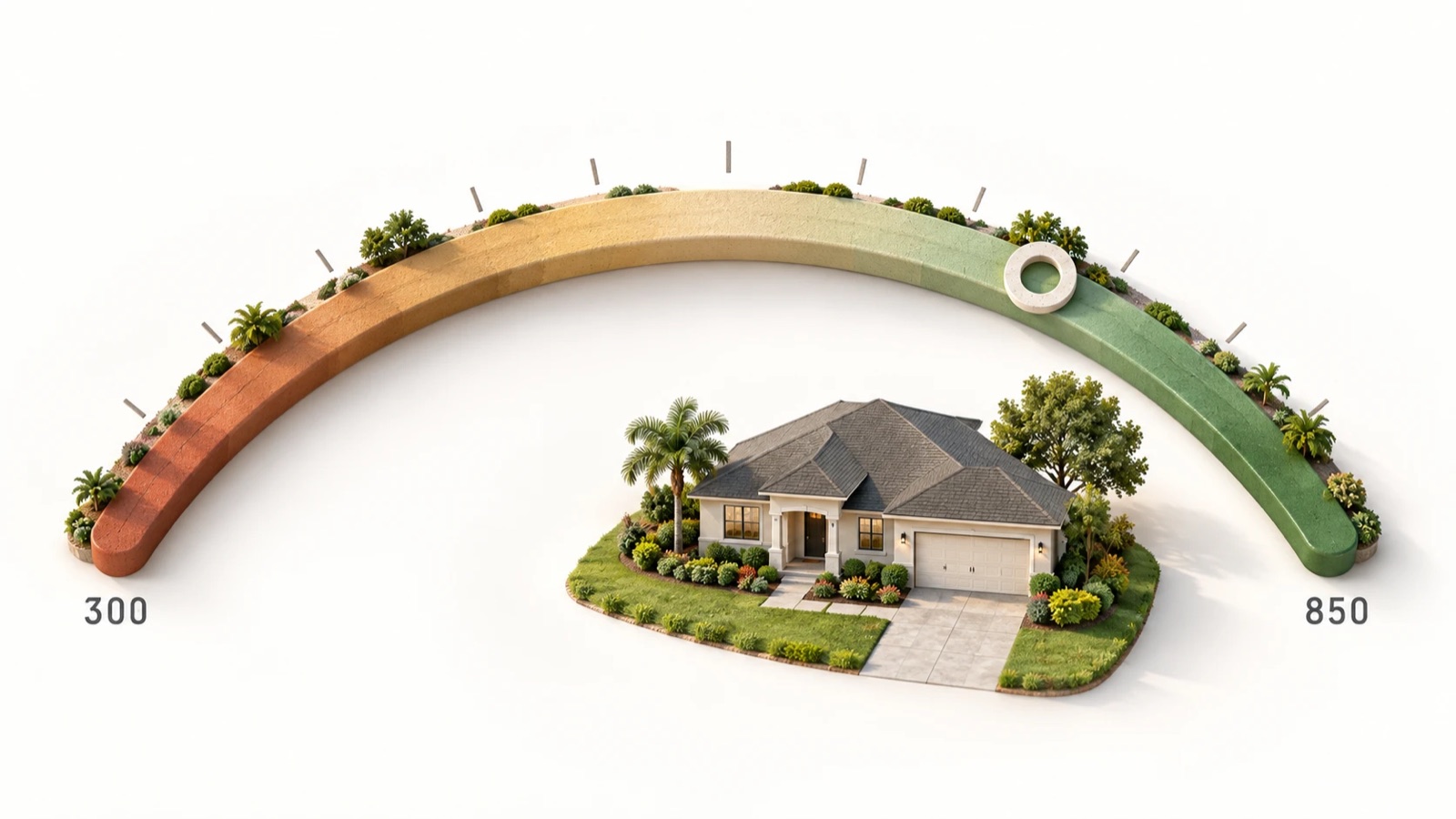
If you are planning to buy a home, your credit score is one of the most important numbers in the process. It affects whether you get approved for a mortgage, what interest rate you qualify for, and how much house you can ultimately afford. The good news is that some of the fastest improvements come from habits you can start this month.
Understanding the 5 FICO Factors
Your FICO score is calculated based on five categories, each carrying a different weight:
- Payment History (35%) This is the single biggest factor. Lenders want to see that you pay your bills on time. Even one 30-day late payment can do real damage, and late payments can stay on your credit report for up to seven years, though their impact fades over time.
- Amounts Owed (30%) This measures your credit utilization, which is how much of your available credit you are using. Lower is better. A common rule of thumb is to keep each card under 30% of its limit, and lower still if you can.
- Length of Credit History (15%) The longer your accounts have been open, the better. This is why closing old credit cards can actually hurt your score. Use each card once every few months to keep it active.
- New Credit (10%) Every time you apply for credit, a hard inquiry appears on your report. For most people, one additional inquiry takes less than five points off their FICO Scores, and inquiries only count toward the score for a year. Still, avoid opening new accounts in the months before you apply for a mortgage.
- Credit Mix (10%) Lenders like to see a mix of credit types, such as credit cards, an auto loan, and a student loan. You do not need to open new accounts just for this, but having variety helps.
FICO Score category weights and inquiry impact for most people. Source: myFICO. How long late payments can stay on your report. Source: Consumer Financial Protection Bureau.
VantageScore vs. Mortgage FICO
Here is something that catches many buyers off guard: the credit score you see on Credit Karma or your bank app is usually a VantageScore. Mortgage lenders have long used older FICO versions instead (typically FICO 2, 4, and 5 depending on the bureau), and those can put you at a different number than your app shows, sometimes a very different one.
That is starting to change. Since July 2025, lenders selling loans to Fannie Mae and Freddie Mac can choose between Classic FICO and VantageScore 4.0. Either way, the score your lender pulls may not match your app. The only way to know your true mortgage score is to get a tri-merge credit report through a mortgage professional.
Credit score options for Fannie Mae and Freddie Mac loans as of July 2025. Source: Federal Housing Finance Agency.
The Statement Closing Date Trick
Most people know to pay their credit card by the due date. But here is what many do not realize: your credit card company reports your balance to the credit bureaus on your statement closing date, not your payment due date.
If you pay your balance down before the statement closes, the bureaus see a lower balance, which means lower utilization and a higher score. This single habit can show up in your score as soon as your card company next reports your balance.
Quick Wins to Improve Your Score
- Pay revolving balances down, ideally under 30% of each card limit and lower if you can
- Set up autopay for at least the minimum payment on every account
- Request credit limit increases on existing cards (this lowers your utilization ratio)
- Dispute any inaccurate negative items on your credit report
- Become an authorized user on a family member's well-managed credit card
- Avoid applying for new credit in the months before your mortgage application
Where This Fits in Buying a Home
Credit is usually the first thing standing between someone and a closing date, but it is rarely the only thing. If you have been told you cannot qualify yet, read can I actually buy a house right now?can I actually buy a house right now?/first-time-buyers, where I lay out the full path from where you are today to an accepted offer, including what lenders actually require.
If you already had a preapproval and the loan was denied later in the process, that is a different problem with a different fix. Start with my loan was denied after preapproval, what now?my loan was denied after preapproval, what now?/loan-denied instead.
See where you stand today
Once your credit is moving in the right direction, the next question is what it means for your budget. My buying power calculatorbuying power calculator/tools/buying-power gives you a first estimate in a couple of minutes, and the mortgage calculatormortgage calculator/tools/mortgage-calculator shows what a monthly payment could look like. They are starting points, not loan decisions, and a short call with a lender turns them into real numbers.
There's also a free credit trackercredit tracker/dashboard/credit-tracker inside my client portal, and anyone can create an account. It gives you a personalized action plan with specific steps to improve your score.
Building a strong credit score takes some effort, and it pays you back. A higher score can mean a lower interest rate, and a lower rate lowers your payment every month for as long as you have the loan.
Frequently Asked Questions
Get the weekly Central Florida market brief
One short email each week: local market updates, fresh listings before they hit the search sites, and practical tips for buyers and sellers in Central Florida.
No spam. Unsubscribe anytime.